
Planning To Sell in 2027? Start Prepping Now.

If selling your house is on your calendar for 2027, you may be thinking you’ve got plenty of time. Maybe you’re aiming for January. Maybe you’re waiting for spring. Either way, next year probably feels far enough away that getting ready can wait, too. But waiting until 2027 to sell doesn’t mean waiting until 2027 to get started. Today’s buyers have more homes to choose from than they’ve had in years. So, if you want your house to stand out when it’s time to list, a little preparation now can make a big difference later. How Early Should You Start Getting Ready? As a general rule of thumb, Zillow recommends giving yourself about 2-3 months to get your house ready to list. And that makes sense when you consider that the vast majority of sellers (78%) did at least one home improvement project before their house hit the market. That gives you plenty of time to decide what to fix, find contractors, get on their schedules, actually make the updates, and get everything ready for photos and showings. But don’t worry – that doesn’t mean every seller had some big to-do. The most common? Interior painting (see graph below): That certainly doesn’t mean you need to tackle everything on this list. You may not need to do any of it. But odds are there’s at least one project you’ll want to do. And starting that conversation now gives you a leg up before next year. Here’s how to tackle it. 1. Talk to an Agent Before Starting Any Projects While you might have a long list of things you think need updating, that doesn’t mean they’re all worth the time, effort, or money. An agent will help you figure out which projects deserve a spot on your to-do list based on what buyers want most and what other sellers are doing. That way, you’re not investing in updates that won’t make much of a difference when you sell. 2. Get Ahead with a Pre-Listing Inspection One thing your agent may recommend today is that you go ahead and get a pre-listing inspection. It’s basically your cheatsheet to what a buyer’s inspection may turn up later on. And now that buyers have more options, they’re pickier – and you don’t want anything popping up in an inspection that could put them off. For example, you know that HVAC system you’ve been hoping will make it through one more season? Now’s a good time to give it some attention – along with anything else you know needs a little TLC. That way a repair you could’ve handled months ago won’t become a surprise in the middle of your sale. According to Angi, a pre-listing inspection typically costs $300-600 and that can be money well spent. As the National Association of Realtors (NAR) explains: “An inspector will be able to give you a good indication of the trouble areas that will stand out to potential buyers, and you’ll be able to make repairs before open houses begin.” The advantage isn’t just knowing what may come up, but being able to get ahead of it and space out the projects on your own schedule. So you don’t feel stressed during go-time. 3. Save the Final Touches for Closer to Listing Day But remember, not everything needs to happen right away. Some things are better saved for when you’re closer to listing. Think deep cleaning, staging, touching up paint, and tidying up the landscaping. Those are the finishing touches that’ll help your house look its best when buyers walk through the door. But there’s one thing you can start anytime: decluttering. Go ahead and tackle the closets, garage, or storage room you’ve been avoiding. Future you will appreciate having a few less boxes to pack. The idea isn’t to get everything done today. It’s to spread the work out so you’re not scrambling when listing day arrives. As Redfin puts it: “Smart preparation leads to a smoother sale, stronger offers, and fewer surprises during closing. . . Homes that are clean, well-staged, priced right, and professionally photographed tend to sell quickly.” Bottom Line You don’t need to spend the rest of the year renovating your house or packing up your life. But you can start making a plan. The earlier you figure out what needs to be done, the more time you’ll have to do it right. And that means less rushing, fewer last-minute surprises, and a better chance to make a great first impression when you’re ready to sell. Thinking about selling in 2027? Get a local agent’s opinion on what your house needs, what it doesn’t, and how to get everything ready on your timeline.
The Housing Market Is on Solid Ground, Even with More Foreclosures
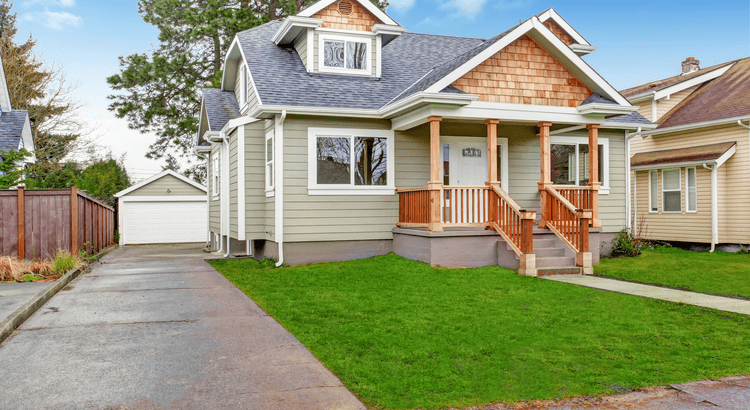
It’s been nearly two decades since the 2008 housing crash, but the word “foreclosure” can still make people uneasy. And if you’re planning a move, you may be wondering if more foreclosures will flood the market with homes for sale – especially if you’ve seen the headlines lately. Buyers may be hoping for a rush of bargains. Sellers may be bracing for more competition. The latest data points to neither, and knowing why can help you plan your next move with confidence. A Modest Rise from a Low Starting Point Completed foreclosures are up 33% from last year, according to ATTOM. That sounds like a big leap, but context helps. Even with that increase, foreclosures are still about 26% below where they were in the first half of 2020. Zoom out further, and today’s activity is a small fraction of what the market saw during the 2008 crash. Lenders completed about 28,000 foreclosures in the first half of 2026, according to ATTOM. Compare that to the crash years in red, when lenders often completed more than 200,000 in the span of a few months (see graph below): Experts say today’s numbers reflect a housing market that’s still in good shape. As Rob Barber, CEO at ATTOM, explains: “While some homeowners are still facing financial challenges, overall foreclosure volumes remain well below historical norms and the broader housing market continues to demonstrate resilience.” And here’s why we can absorb the slight uptick in foreclosures we are seeing. Homes for Sale Are Back in a Balanced Range During the crash, a lot of homeowners either lost their homes to foreclosure or were forced to sell, which left the market overwhelmed with houses for sale. That isn’t happening now. One way to see this is through months’ supply, which measures how long it would take to sell every home on the market at the current pace. Four to six months is considered balanced. Right now, it’s about 4.8 months, according to the National Association of Realtors (NAR). That’s pretty well-balanced, and less than half of where it peaked around the last crash (see graph below): If foreclosures were really surging, you’d see it in the number of homes for sale. As Logan Mohtashami, Lead Analyst at HousingWire, explains: “. . . a surge of actual foreclosures in 2026 would have easily put the inventory data much higher in 2026.” Equity Gives Today’s Homeowners Options Equity is a big reason there’s no surge of distressed sales. Data from the Census Bureau and ATTOM shows nearly two in three homeowners have paid off their mortgage or have more than 50% equity. And Cotality says the average homeowner has about $310,000 in equity. If a homeowner with equity hits a rough patch, they can usually sell their house, pay off the loan, and walk away with money in their pocket instead of facing foreclosure. That’s an option many people didn’t have during the crash. According to HousingWire, nearly one in four homes were underwater back in 2010. Being underwater means owing more on your mortgage than your home is worth, which makes selling a lot harder. Today, just 2% of homeowners are considered seriously underwater (see graph below): Not every homeowner has that kind of equity, but most do, and that’s what puts a ceiling on how high foreclosures can go. Bottom Line If rising foreclosures have you questioning where the housing market is headed, the data says it’s in good shape. The supply of homes for sale is balanced, and most homeowners have plenty of equity. Have questions about what you’re seeing online, your local market, or about how much equity you have? Talk to a local real estate agent.
Today’s Market Could Be a Win for Veterans Looking To Buy a Home

If you’re a veteran or active-duty service member who’s been hoping to buy a home, you may have more going for you in today’s housing market than you realize. VA home loans already come with some pretty powerful benefits. But now, with more homes for sale and buyers having more room to negotiate in many markets, those benefits could go even further. And if you’ve ever heard that buying with a VA loan is harder, takes longer, or puts you at a disadvantage, there’s something else you should know… a lot of what people believe about VA loans simply isn’t true. The Benefits of VA Home Loans Today, nearly 4 million service members and veterans have an active VA home loan. And according to the Department of Veterans Affairs (VA), more than 343,000 homes were purchased using VA loan benefits in its most recent reported fiscal year. And it’s easy to see why. For eligible veterans and service members, VA loans offer advantages that can make buying a home more affordable, including: No down payment required for many eligible borrowers. No monthly mortgage insurance, even with no down payment. Competitive mortgage rates that can help lower monthly payments. Benefits like this are powerful in any market – and even more so today. That may be why VA loan usage has grown for the last two years in a row. Why Today’s Market Could Be Different for VA Buyers A few years ago, when homes were getting multiple offers and buyers were competing for nearly every listing, VA buyers sometimes had a harder time getting their offers accepted. A 2021 survey from the National Association of Realtors (NAR), found 89% of sellers were likely to accept an offer from a buyer using a conventional loan. But only 30% were likely to accept one using an FHA or VA loan. The reason? Some sellers were concerned that VA financing would take longer, be more difficult to close, and require them to pay more in costs and repairs. But those concerns don’t necessarily reflect how VA loans actually perform. VA Home Loan Myths vs. Reality A white paper from Vetted VA based on 2025 mortgage data busted a lot of VA loan myths: Myth #1: VA loans get denied more often than other loans. The Reality: VA loans actually have the lowest denial rate. Just 8.2% of VA purchase applications were denied, compared to 15.0% for conventional loans, 12.8% for FHA loans, and 12.5% for USDA loans. Myth #2: VA financing is less reliable. The Reality: 90% of VA home loan applications that reached underwriting made it to closing, compared to 81% for conventional loans. Myth #3: VA appraisals take longer. The Reality: VA loan appraisals typically take 7–10 business days, similar to conventional and FHA loans. Myth #4: Sellers have to pay all the closing costs for VA buyers. The Reality: VA buyers can pay many standard closing costs themselves. Buyers and sellers can also negotiate which eligible costs the seller will cover. Today’s Market Gives VA Buyers More Leverage Since there are more homes for sale and fewer buyers competing in many areas, sellers may be more open to different financing options than they were a few years ago. And the opportunity doesn’t stop at getting your offer accepted. Depending on the house and your local market, you may also be able to negotiate a lower price, ask for repairs, or request help with closing costs. VA guidelines allow sellers to cover the buyer’s normal closing costs, plus concessions of up to 4% of the home’s value. Think about what that combination could mean. You may be able to buy with no down payment, avoid mortgage insurance, and negotiate help with some of the other expenses that come with buying a home. That could mean keeping thousands of dollars in your savings instead of spending them upfront, giving you more breathing room after you get the keys. Bottom Line If you’re active duty, you’ve served, or you know someone who has, connect with a local agent and a trusted VA-approved lender to see what you qualify for. Your VA home loan benefit and today’s market could be a powerful combination.
Low Rates or Lots of Leverage? Buyers Rarely Get Both.

If you’ve been watching mortgage rates lately, you might feel a little stuck. Rates climbed above 7% this year, and a lot of buyers have decided to sit tight and wait for them to come back down. But rates are only half the story. When you buy a home, you usually get one of two things: low rates or negotiating power. It’s rare to get both at the same time. And right now, you have a lot more of that second one than you might think. Why Low Rates and Leverage Don’t Usually Show Up Together Think back to 2020 and 2021. Rates were near 3%, and buyers rushed into the housing market. Those low rates sounded great, but they came with a catch. There were a lot of buyers just like you that you had to compete with – and there weren’t enough homes for sale to meet that demand. That’s why homes got multiple offers, buyers paid over asking or waived inspections, and sellers held all the cards. Jake Krimmel, Senior Economist at Realtor.com, shows just how one-sided things got: “Seller’s markets peaked at 98 of 100 metros in spring 2022 after two years of mortgage rates near 3%.” Then, in the second half of 2022, rates went up. As a result, the number of people buying homes went down, inventory grew, and the balance slowly started tipping from sellers back to buyers. Fast forward to today, and that flip is officially here. In a recent report, Realtor.com found about two-thirds (66) of the top 100 metros now lean in favor of buyers (see graph below): And while you may want lower rates, this shift in power has its own perks. What Your Leverage Looks Like Right Now There are more homes for sale than there have been in years. And in a more buyer-friendly market like that, it means sellers have to work harder to get their homes sold. As Lawrence Yun, Chief Economist at the National Association of Realtors (NAR), says: “Higher inventory and lengthening days on market give buyers improved negotiating power.” That shows up in the deals buyers are getting. According to Redfin, nearly half of buyers now get some kind of concession from the seller – like help with closing costs, money for repairs, or even the seller paying to buy down your mortgage rate (see graph below): So when you find a home you love, even if the rate isn’t what you necessarily wanted, there are other levers to pull. Ask about a price cut or a seller-paid rate buydown, too. It could take some of the sting out of today’s rates. Why Waiting for Lower Rates Could Backfire And just in case you’re still thinking you’ll just hold off until rates drop, here’s what you should know. Experts at Fannie Mae, the Mortgage Bankers Association (MBA), and Wells Fargo don’t expect rates to fall much through 2027 (see graph below): And here’s the whole point. Even if rates did drop in a big way, a lot of buyers would rush back in. More competition means fewer deals, fewer concessions, and sellers getting the upper hand again. So waiting comes with a trade-off. You might land a better rate down the road, but you’d probably give up the bargaining power you have today. That doesn’t mean you have to move right now. You should only buy when the numbers work for you. But if you’ve got a real reason to move, today’s leverage could help make your numbers work – even at today’s rates. Bottom Line Buyers rarely get low rates and strong negotiating power at the same time, and today’s market is handing you the leverage. Connect with a local real estate agent to find homes where sellers may be open to covering a rate buydown or closing costs, so you can see if today’s market can work for your budget.
Selling Your Home? What You Should Know About Price Cuts vs. Rate Buydowns.

In today’s market, a growing number of sellers are opting to do something called a price cut – especially when their house has been on the market for a while without any bites. According to HousingWire Data as many as 4 in 10 (43%) sellers are going this route – that’s the highest it’s been in 4 years. But what if there’s another (potentially better option) for your bottom line? And it’s just as appealing, if not more so, to today’s buyers? Enter the rate buydown. Why Buyers Expect a Deal First, let’s set the stage on why some compromise may be necessary in today’s market. In September, Redfin says there were 63% more sellers than buyers in the market. And with so many sellers active and relatively few buyers by comparison, those purchasers are realizing they have more power. And as mortgage rates continue to put a squeeze on their budgets, they’re leaning in and using it. One of the most common negotiation points? The price. That’s because they want to feel like they’re getting a deal and they want to see their monthly payment drop. And since buyers can’t control rates, the price feels like the most obvious lever to pull. But the savviest sellers realize being flexible doesn’t always mean a lower price, paying for a buyer’s rate buydown might work better. What Is a Rate Buydown? A buydown is money paid at closing to lower the buyer’s mortgage rate. When you pay it as the seller, you are paying some of the buyer’s interest ahead of time, so the buyer gets a lower rate and monthly payment. And that’s especially appealing to today’s buyers. Temporary buydowns lower the rate for the first few years, then it goes back to the full rate. The more years a buydown covers, the more it costs. These work well for buyers who expect to refinance within a certain amount of time. A permanent buydown lowers the rate for the whole loan. These are paid for with “discount points.” One point costs 1% of the loan. According to FICO, each point generally lowers the rate by about a quarter of a percent. This type of buydown works well for buyers who plan to stay in the home for a long time. Same Money, Different Results And here’s why these can be a win-win for both buyers and sellers. Rate buydowns help sellers stand out in a crowded market and they can have a bigger impact on your buyer than a price cut would. Here’s an example to show you what that could look like. Let’s say you’re willing to make a $10,000 concession to help get the deal done. Take a look at these three ways to spend that money and the impact they could have on a buyer’s $420,000, 30-year fixed loan at 7%: It’s the same $10,000 from the seller. But a 2-1 buydown saves the buyer about eight times more each month in the first year. And since most buyers shop by monthly payment, that’s what grabs their attention. That’s what makes a rate buydown worth considering. Instead of reducing your asking price, you may be able to use that same money to have a bigger impact on your buyer’s monthly payments. And depending on what matters most to that buyer, the immediate savings could be more appealing than a price reduction. The key is working with your agent and the buyer’s lender to compare the options and see which one makes the most sense. Things To Know Loan programs cap how much a seller can pay toward a buyer’s costs. Money toward buydowns doesn’t limit what else a buyer may ask a seller to pay for. Buyers may still ask for repairs or other concessions. Putting the buydown offer in your listing lets agents and buyers know it’s an option. Your agent can run scenarios on buydowns and other costs of selling in advance so you’re prepared when an offer comes in. As Lawrence Yun, Chief Economist at the National Association of Realtors (NAR), says: “Home sellers need to be realistic about local market conditions, which could require price discounts and other incentives to attract buyers.” And sellers who offer solutions like buydowns can make meaningful impact where home buyers need it most: in their wallets. Bottom Line When you’re looking for ways to make your house more appealing to buyers, a price reduction isn’t your only option. A mortgage rate buydown could help a buyer save more each month, especially in the early years of their loan. Talk to your agent or a trusted lender which incentives could make the biggest difference for buyers in our market, while still protecting your bottom line.
What the Silver Tsunami Means if You’re Planning To Sell

If you’re following the housing market, you may have heard the term “silver tsunami” lately. It’s the idea that millions of homes owned by older Americans could come onto the market as more homeowners reach retirement age and make their next move. And when you hear a phrase like that, it’s easy to picture a flood of houses hitting the market all at once. But that picture doesn’t match the data. This isn’t expected to happen overnight. And if you’re planning to sell, it’s not a reason to put your plans on hold. Let’s look at what the research actually says. The Silver Tsunami Will Be More of a Gradual Shift According to Realtor.com, about 13.9 million homes owned by older Americans are expected to change hands by 2036. Sure, that’s a big number. But these homes aren’t all expected to come onto the market at once. The projections show this happening gradually over the next decade, with roughly 1.3 to 1.5 million homes changing hands each year (see graph below): Rather than a sudden wave of houses flooding the market, this is a gradual shift as longtime homeowners make decisions about where and how they want to live. The term silver tsunami makes for a dramatic headline, but the actual data tells a much less dramatic story. And there’s another reason these homes won’t overwhelm the market. The Market Has Room for More Homes After the 2008 housing crash, builders significantly slowed construction. And for years afterward, they didn’t build enough homes to keep up with demand. That led to a housing shortage we’re still dealing with today. And just how big a gap are we talking about? Estimates vary, but many experts say the U.S. is still millions of homes short. For example, a recent report from the White House Council of Economic Advisers explains: “If homebuilding and the growth of the single-family housing stock had continued at their historical pace instead of falling dramatically after 2008, there would be 10 million or more additional single-family homes today.” As more longtime homeowners sell, those homes will help a gap that’s already there. But they won’t push us over the edge. That’s because, at the same time, more households are expected to form in the decade ahead, and they’ll need homes, too. So, more homes becoming available over time isn’t automatically a bad thing. It can give buyers more options and help create a more balanced housing market moving forward. What Actually Matters When You Sell Here’s the takeaway if you’re thinking about selling your house. The silver tsunami isn’t something you need to plan your move around. What’s happening in your local market is far more important than a national projection about the next decade. That’s because real estate is local. Some markets have more homes for sale than others. Some are seeing houses sell relatively quickly, while others are taking longer. And those are the conditions that matter when you’re deciding how to price, prepare, and market your house. For example, an agent who knows your area can help you understand: How many homes are for sale nearby. This tells you how much choice buyers have and how your house will compare. What similar houses are actually selling for. That’s one of the most important factors in setting a competitive asking price. What buyers are looking for right now. Knowing which features and improvements matter most can help your house make a strong first impression. And that’s something you can act on today, regardless of what happens with the silver tsunami over the next decade. The right strategy starts with understanding your local market and making decisions based on what’s happening there, not what a dramatic national headline suggests might happen years from now. Bottom Line The silver tsunami may sound like a major wave of homes coming onto the market, but the research points to a gradual shift over the next decade, not a sudden flood of listings. If you’re thinking about selling, don’t let that headline make you second-guess your plans. Talk to an agent about what’s happening in your local market.
What Experts Forecast for Mortgage Rates and Home Prices in 2027

When it comes to housing, two of the biggest questions on everyone’s mind right now are: What’s next for mortgage rates? Where will home prices go from here? And if you’re weighing whether to move in the next few months or wait until 2027, here’s what you should know. When experts look ahead to 2027, they see a steady housing market. No wild swings. No big surprises. Just a calmer, more balanced market. And steady makes planning a whole lot easier. Let’s break it down. Rates Are Expected To Settle into a Steady Range Lots of people are holding out for lower rates. But the latest forecasts from Fannie Mae, the Mortgage Bankers Association (MBA), and Wells Fargo show rates holding fairly flat through 2027 (see graph below): Lenders see it the same way. In a recent survey from HousingWire, 70% of mortgage executives said they expect rates to be around 7.5% or higher six months from now (see graph below): And if you’re wondering why, the answer is fairly simple. Chen Zhao, Head of Economics Research at Redfin, says: “Until the underlying economic fundamentals—everything from oil prices to AI–that are keeping rates high change, mortgage rates are unlikely to fall significantly.” So what does that mean for you? Instead of trying to guess where rates go next, focus on what you can control. Even if rates don’t budge, there are still ways to get the best rate possible. When you talk with your lender, ask about: Your credit score. Even a small bump in your score could help lower your rate. Different loan types. Some programs offer lower rates or smaller down payments than you might expect. Buying down your rate. Paying a little more upfront (called “points”) can lower your rate and your monthly payment. That way, you’ll know exactly where you stand and what a comfortable monthly payment looks like for you. Prices Should Keep Climbing, Just More Slowly But what about prices? Here’s where steady really works in your favor. Experts don’t see a home price drop coming. On average, forecasts from Fannie Mae, MBA, and Wells Fargo show prices rising about 1% to 1.5% a year through 2027 (see graph below): In plain terms, in most places prices are still going up, just not as fast. For sellers, that means your home should hold onto its value. For buyers, slower growth gives you a little more breathing room. Just don’t count on prices getting cheaper while you wait. But keep in mind, these are national forecasts. Prices can look very different from one area to the next, so what matters most is what’s happening where you live. The Best Time To Move Is When It Fits Your Life When the market is steady, you don’t have to try to time it perfectly. There’s no big swing to wait out. That puts the focus back on you. Maybe you need more space for a growing family. Maybe you’re ready for less upkeep. A steady market makes it easier to plan for either one. Bottom Line If you’re asking yourself should you move now or wait? You should know experts see a steady market through 2027, with rates holding near today’s levels and prices rising slowly. So, rather than waiting for a big shift that may not come, connect with a local real estate agent and run the numbers on what a move looks like at today’s rates and prices, so you can decide based on your goals instead of the headlines.
The Home Insurance Move That Could Save You $440 a Year
When you’re planning a move, every monthly cost counts. That’s why it can be frustrating to see home insurance keep creeping up. According to Intercontinental Exchange, it now makes up 9.6% of the average monthly mortgage payment. But the latest numbers show some progress on that front – as the increases start to slow down. Here’s what you need to know and what you can do about it. Premiums Are Rising More Slowly Now A look at the past two years shows how much things have cooled down. In mid-2024, home insurance premiums rose 4.3% in a single quarter. By the second quarter of this year, that was down to 1.8%. That’s the smallest quarterly growth in almost 3 years – and that’s a good thing (see graph below): As Andy Walden, Head of Mortgage and Housing Market Research at Intercontinental Exchange, explains: “Property insurance has been a fast-growing component of the monthly mortgage payment, but this quarter’s data shows the pace of increase is finally slowing.” While your premium will likely still go up over time, it may not climb as quickly as it did a couple of years ago. And that’s, at the very least, a step in the right direction. Shopping Around Can Pay Off Here’s where you have some say in what you pay. Let’s take current homeowners as an example. Intercontinental Exchange found that when homeowners shopped around and switched insurance companies, their premiums went down 6.6% on average. Those who stayed with their current company saw an increase of 10.4% (see graph below): Think about that. That’s a big difference and it goes to show that looking for a new provider can literally pay off. That works out to about $440 a year in savings for the people who switched. And they didn’t have to give up coverage to get it. Their deductibles dipped 1.4%, and their coverage limits actually rose 7.3%. While this example is current homeowners, the same general idea applies for first-time buyers too. Shop around and get multiple quotes before you pick your insurance provider. Then, once you’re settled in, review your policy each year when it comes up for renewal. You’re not locked into the first price you get. The Home You Choose Can Help, Too The home itself plays a role as well. According to John Burns Research and Consulting (JBREC), newly built homes are 10% to 15% less expensive to insure than older ones nationally. And while a brand-new home won’t necessarily be the right fit for every buyer, if you’re open to one, it could be one more way to keep your monthly insurance costs down. Bottom Line Home insurance is certainly a bigger part of the monthly costs than it used to be, and that can feel like just one more thing to juggle when you’re buying a home or moving. But knowing you have ways to keep it in check can take some of the pressure off. Compare a few options before you buy, revisit your policy each year, and lean on trusted local professionals as you plan for your next move.
Credit Scoring Is Changing: 3 Things Homebuyers Should Know

Quick, what credit score do you need to buy a home? If a number pops into your head, there’s a pretty good chance it’s wrong. And the right answer is getting harder to pin down, because the way credit scores are determined and delivered is changing – for the better. Here’s what you need to know in today’s changing credit climate. #1 Most People Are Guessing Fannie Mae has been tracking consumer perceptions about mortgage requirements since 2015 and found that consumers consistently overestimated the minimum credit score lenders required to qualify for a mortgage. As recently as 2023, the average guess was 652. In reality, the long-standing benchmark for loans backed by Fannie Mae and Freddie Mac is lower, at 620, and today even that isn’t a hard rule for every mortgage they back. Like the Fannie Mae research, a recent survey from Veterans United found consumers continue to overestimate what it takes to qualify for a home loan: The takeaway? Guessing wrong can cost you. A renter who assumes their score is too low and they can’t qualify for a mortgage may never take steps to find out for sure. #2 Credit Rules Are Changing For decades, the mortgage industry relied on one set of scores – Classic FICO. Thanks to a push to promote competition, make credit scoring more inclusive, and help more Americans become homeowners, the Federal Housing Finance Agency (FHFA) has approved the use of new credit score models such as FICO 10T and VantageScore 4.0. A different model can mean a different number for the same person. VantageScore says its model can score about 33 million adults that the Classic FICO’s model can’t. So the score you saw on an app last month may not be the one your lender pulls. Remember: the models may be new, but the basics haven’t changed. #3 Do Your Part And Partner With A Pro Your credit score is important – no matter how it’s measured. Following the same basic rules will benefit your profile in the old and new score models: Because while credit models may change, the general advice for you to improve your score doesn’t. Financial awareness and consistency mixed with a little willpower can go a long way. Bottom Line Don’t make credit or homebuying decisions from a chart, an app, or a friend’s advice. With the rules shifting and so many misconceptions out there, it’s never too early to talk to a professional loan officer for advice on credit, budgeting, and what it would take to qualify for a mortgage. You may be closer to owning a home than you think.
Don’t Let the Fear of a Buyer Backing Out Scare You Away from Selling

There’s nothing quite like the excitement of getting an offer on your house. You’re one step closer to moving on to what’s next. But what happens if that buyer backs out or ghosts you before closing? If you’ve been seeing headlines about more home sales falling through lately, that possibility may be keeping you up at night. And it’s true. According to Redfin and Cotality, canceled contracts have been on the rise. But here’s what those headlines don’t always tell you… Most sales still go through. Only 10-15% hit this snag. And even so, there are things you can do to help keep your sale from becoming one of them. The key is knowing what tends to scare buyers away and getting ahead of those issues before they have a chance to derail your move. What’s Behind the Rise in Canceled Contracts? Today’s buyers are being more cautious. Mortgage rates are stretching budgets, and with more homes to choose from, buyers have more freedom to walk away if something doesn’t feel right. As Redfin explains: “That gives house hunters more options and makes them more likely to walk away if an inspection uncovers problems, an appraisal comes in low or the seller doesn’t agree to concessions.” That’s why an accepted offer isn’t always a guaranteed sale. But it doesn’t mean you should be afraid to put your house on the market, either. It just means getting ahead of potential problems matters more than ever. 3 Things That Can Scare Off a Buyer (and How To Get Ahead of Them) A Redfin survey asked real estate agents why some buyers are backing out. And their answers give you a short of cheatsheet into what could go sideways and how you can get ahead of those headaches (see graph below): 1. Inspection or repair issues (70.4%) This is the big one. And the good news? It’s also one of the areas where you can be the most proactive. One simple way to head this off is by getting a pre-listing inspection before your house goes on the market. That way, if something needs attention, you can decide whether to fix it upfront (before you sell), adjust your price, or disclose it and come in already prepared for what’s likely to pop up in negotiations. It’s a lot better to find the skeletons in the closet before a buyer does. 2. Buyer financing falls through (27.8%) Even buyers who are pre-approved can run into financing issues before closing. And with mortgage rates putting extra pressure on affordability, some buyers are finding it harder to make the numbers work. While you can’t control whether a buyer’s loan goes through, you can work with your agent to look closely at their financing before accepting an offer. And if affordability is the concern, your agent can help you explore whether incentives like closing cost credits or a mortgage-rate buydown could make a difference. 3. The buyer can’t sell their current home (21%) Sometimes, your buyer needs to sell their house before they can buy yours. And if their sale falls through, yours could be affected too. That’s why it’s important to understand any home-sale contingencies before accepting an offer. Your agent can help you look at where the buyer is in their own selling process and what protections you may want in place. The goal isn’t to eliminate every possible risk. It’s to avoid being caught off guard by the ones you can plan for. Don’t Let the What-Ifs Keep You Up at Night Just remember when you read headlines about canceled deals, they don’t give you the full picture. Most home sales still make it to closing. And if a sale does fall through, that doesn’t automatically mean your house won’t sell. Sometimes a buyer’s circumstances change. Sometimes an issue comes up that can be addressed before the next offer. What matters is having an agent who knows how to spot potential problems early, help you navigate negotiations, and keep your sale moving forward. Because while you can’t control every twist and turn, you can control how prepared you are. Bottom Line There’s no need to let the fear of a buyer backing out hold you back. While no sale comes with guarantees, a little preparation upfront can go a long way toward making the whole process smoother. If you’re ready to make a move, talk to a local agent about whether a pre-listing inspection makes sense for you.
Who’s Buying Homes with Cash Right Now?

Ryan Serhant, CEO of SERHANT, says there isn’t just 1 housing market right now. There are really 4: cash buyers, buyers who need a mortgage, homeowners with low mortgage rates, and builders. Today, let’s zoom in on the 1st group – cash buyers. According to the National Association of Realtors (NAR), 27% of homes sold in September were bought with all cash. That’s more than 1 in 4 buyers. And that’s a pretty big number, especially when so many people are struggling with affordability. So where is all that cash coming from? When you hear a number like that, it’s easy to picture wealthy investors buying up houses left and right. But that’s not necessarily the case. Some of those cash buyers are actually homeowners who’ve built up enough equity to buy their next home outright. Here’s what you should know about who’s paying cash and what that really means for the market. Who’s Paying Cash? Cash buyers tend to fall into a few groups, according to NAR: Homeowners who sold a house and are using that money to buy their next one People buying a 2nd home Investors So, it’s not all those big investors social media talks about. That 1st group may include people a lot more like you. Here’s how. According to Cotality, the average homeowner with a mortgage has about $310,000 in equity. That’s a big deal right now. Many homeowners feel stuck because they don’t want to give up the low mortgage rate they have today. But once they learn they may have enough equity to move and pay cash for their next home, today’s rates don’t matter nearly as much. Because buying in all cash means… No monthly mortgage payment No need to borrow at today’s mortgage rates No loan approval process, so you may be able to close faster And even if the equity won’t cover the whole purchase, putting more of it toward the next home means borrowing less. That can mean a smaller monthly payment, too. But cash buyers like this are more common in some places than others. And how big of a segment of your local market this is, is going to depend on where you live. For example, Realtor.com data shows cash buyers made up almost 47% of sales in Mississippi and 46% in Montana earlier this year (see map below). Where does your state fall? According to Realtor.com, the states with the most cash buyers reflect “a mix of affordability, wealth and buyer demographics.” Think places with lower home prices, or lots of retirees and 2nd-home buyers. So, depending on where you live, you may see a lot more (or a lot fewer) cash buyers than the national number suggests. An agent who knows your area can tell you who’s actually buying near you. Most Buyers Are Still Using a Mortgage And if all of this has you thinking everyone’s paying cash, they’re not. If you’re planning to buy and need a mortgage, you’re actually in the majority. Based on NAR’s numbers, nearly 3 out of 4 home purchases still involve financing. And for homes priced between $200,000 and $750,000, only about 1 in 5 sold for cash, according to Realtor.com (see graph below): That means most people buying in that price range are financing their purchase, too. So, there’s no need to assume you’re at a disadvantage just because you’re using a loan. Cash Buyers and Your Move So, what does all this mean for you? Maybe more than you think. If you already own a house, you may have enough equity to make your next move more affordable than you realize. And if you’re buying with a mortgage, remember, you’re in good company. Most buyers are financing their purchases, too. The takeaway? Don’t make assumptions about what’s possible based on how other people are buying homes. What really matters is your equity, your budget, and what’s happening in your local market. Bottom Line Cash buyers are a meaningful part of today’s market, but they aren’t the whole market. Whether you’re hoping to put your equity to work or you’re buying with a mortgage, a local real estate agent can help you see how much equity you have, who’s buying in your area, and what that means for your next move.
Why Builders May Be More Motivated To Sell Than Homeowners

Here’s something most homebuyers don’t think about. When the housing market slows down, homeowners and builders don’t always respond the same way. Think about it. If you’re selling your house and aren’t getting the offers you want, you could make the choice to take it off the market and stay put, and wait for things to improve. But builders? They may be more motivated to stay the course. They’ve already invested money in building those houses. And every completed home that sits unsold means money tied up in a property, plus ongoing costs that can add up. That’s why some builders may be more motivated to negotiate right now. And that could work in your favor. Fewer Buyers Are Making Moves. And Builders Are Feeling It. You’ve probably seen the headlines. According to the latest report from the National Association of Realtors (NAR), pending home sales – homes that have gone under contract but haven’t closed yet – fell 7.3% in September and 11.3% compared to last year. Why? Higher mortgage rates are making it harder for buyers to make the numbers work. Now, that report tracks existing homes, not new construction. But we’re seeing signs of the same slowdown on the builder side, too. According to the National Association of Home Builders (NAHB), builder confidence dropped to 29 in October, its lowest level since June 2012. Traffic from prospective buyers also dropped to its lowest level in more than a decade, excluding the start of the pandemic. As Robert Dietz, Chief Economist at NAHB, explains: “Demand persists, but higher mortgage rates, elevated construction costs and weaker consumer confidence are keeping more buyers on the sidelines.” Here’s why that matters for you. A homeowner may be able to wait for the right offer. But a builder with several finished houses sitting unsold may have more reason to get those homes sold sooner rather than later. And that means they may be more willing to work with you than you think. Builders Are Already Making Moves To Win Buyers Over If you’ve always assumed builders don’t negotiate, take a look at what they’re actually doing. According to the latest survey from NAHB, in October: 65% of builders are offering sales incentives. 43% are cutting prices, the highest share recorded between 2020 and 2026. And 6% is what they’re typically taking off the price. So, yes. Builders absolutely do negotiate. And with demand slowing, there’s good reason to explore just how flexible they may be right now. That could mean asking for a lower price. But it could also mean asking for a mortgage-rate buydown, help with closing costs, or upgrades that would otherwise cost you extra. And here’s a tip that could make a real difference. Don’t just look at the newest communities or the prettiest model homes. Look for builders with completed houses that haven’t sold yet. Those are sometimes called quick move-in homes or spec homes. And the longer one of those move-in ready homes sits unsold, the more reason a builder may have to consider an offer that helps get it off their books. Don’t Just Ask What’s Available. Ask What’s Negotiable. Don’t assume the advertised price or incentive package is the best they’ll do. This is where having your own agent can really pay off. An agent who knows the local market can help you compare what builders are offering, identify communities with more available homes, and understand where there’s room to negotiate. Of course, not every builder will offer the same incentives. And some may be more flexible on closing costs or mortgage rates than on the price itself. But that’s exactly why it pays to ask. The trick is knowing where to look, what to ask for, and how much room there may be to negotiate. And that’s where having your own agent is key. Bottom Line A homeowner who isn’t ready to accept a lower offer may be able to wait. But a builder with finished houses to sell has a different set of priorities. And that could work in your favor. If you’re ready to buy, talk to a local agent about which builders have completed homes sitting on the market in your area see what they’re willing to offer to get them sold.
Why More Buyers Are Turning To Adjustable-Rate Mortgages Today

When mortgage rates climb, buying a home can start to feel like trying to hit a moving target. Every jump in rates makes monthly payments bigger, and that pushes a lot of buyers to look for another way in. More and more of them are finding it in the adjustable-rate mortgage, or ARM. The ARM Option Here’s how an ARM differs from a more traditional mortgage. With a regular fixed-rate mortgage, your rate stays the same for your whole loan. But with an ARM, your rate is locked for the first few years, then it can move up or down based on market conditions. Some people don’t like that level of uncertainty – and that’s okay. But others are drawn to this option specifically because there’s usually a lower rate to start when you opt for an ARM. And in an affordability-strapped market, that’s going to gain popularity. Bankrate recently found that, in September, rates for ARM products were over a full percentage point lower than a regular fixed-rate loan. Depending on the ARM product, that can make a difference of $150-300 in the monthly payment on a median-priced home. And for some buyers, that’s enough to turn “not right now” into “let’s do this.” You can see it in the numbers. Data from the Mortgage Bankers Association (MBA) shows that, in October, roughly 1 in 10 people applying for a mortgage chose an ARM (see graph below): If you think you may want to consider this yourself, here’s what you need to know about how it works. The 5/1 ARM An ARM is like a phone or cable plan that has an introductory deal for new customers. You start out at a lower price, and then it adjusts after a specified amount of time. A popular loan is the 5/1 ARM. The “5” means your introductory rate is locked for the first five years, and the “1” means that the rate can change every year after that. The rate change is called the “reset.” And here’s the really important part. When your rate resets, your mortgage payment could go up or down. The good news is that most ARMs have caps, which are limits on how much your rate can rise each year and over the life of the loan. But either way, you have to be ready. The Upsides and Potential Downsides To see if this type of loan may be right for you, here are some things to think about and discuss with your loan officer: Before you decide, ask your lender to work up the numbers and walk you through the different potential scenarios you could run into with an ARM. That way, you go in with your eyes open. Be Ready for the Reset And, if you do go with an adjustable-rate mortgage, just know that you’ll have choices when the reset time arrives. You could: Do nothing and keep your loan in place if the new payment still fits your budget. Refinance into a fixed-rate loan with a payment that never changes. Refinance into another ARM with a new lower rate locked for a specified timeframe. Sell your home. Talk to the loan servicer about assistance or modification. Remember, a refinance is a brand-new loan that you’ll have to qualify for – even if it’s on a home you already own. So, keep tabs on your credit and debt levels and ask your loan officer how major financial moves like job changes and major purchases will affect your mortgage readiness. It’s important to keep your credit and finances in “mortgage shape.” Today’s ARMs Aren’t Like 2008 One more quick note. ARMs got a bad name after the financial crisis of 2008. Back then, there were some risky loans with small starting payments that later shot way up. Others let people borrow without proving how much money they earned. But now, there are new laws to protect both borrowers and lenders. The biggest change is the Ability-to-Repay Rule, which says that before a lender makes a home loan, it has to check real paperwork (like pay stubs, W-2 forms, and tax returns) to make sure you can afford it. The lender also has to look at what your payment could be after the reset, not just the low starting payment. So, you don’t have to worry that today’s ARMs are the same as the ones we saw back during the crash. Bottom Line Today’s market has more options than many people realize. Finding the right one could be as simple as getting more information about tools like ARMs. A trusted lender can run the numbers with you, walk you through the what-ifs, and help you explore the possibilities. Is an ARM a good option for you? Talk to a loan officer to find out.
To Sell or Rent? How To Choose the Best Path for Your House.

Selling your house is a big step, and you want it to go smoothly. And with houses taking a little longer to sell these days, renting it out might start to sound like a nice backup plan. But the reality is, while renting can work well for some people, it’s also a big commitment. So before you decide, it helps to see the whole picture first. Why Some Sellers Are Deciding To Rent Instead Lately, some sellers are choosing to hang on to their houses and rent them out instead. According to Parcl, around 9% of homes for rent right now were previously up for sale. Here’s why. Some homeowners put their houses on the market expecting a faster process than they got or a certain price buyers didn’t respond to. And when things didn’t go exactly as planned, they decided to rent instead. As Kara Ng, Senior Economist at Zillow, explains: “Bargaining power is tilting toward buyers and homes are taking longer to sell, making renting out a property one way to buy time rather than compete aggressively on price.” But here’s the important distinction. Just because some sellers are choosing to rent doesn’t mean selling isn’t working. In many cases, the difference comes down to how well a house is priced, prepared, and marketed for today’s buyers. Parcl data shows where these “accidental landlords” – owners who planned to sell but decided to rent instead – are most common (see graph below): They make up around 17% of homes for rent in places like Sherman and Houston, TX, but less than 4% in markets like Des Moines, IA and Bloomington, IN. That’s a pretty big difference. And it shows why you have to know what’s happening in your neighborhood. Your market, your asking price, and your strategy all play a role in how your sale goes. A local agent can show you how houses like yours are selling, what strategies work best, and help you weigh your options – not to push you to sell, but so you at least have the full picture based on today’s market. And part of making an informed decision is understanding what renting your house would actually take. What Being a Landlord Actually Looks Like While renting might sound like easy passive income on paper, in practice, it’s a hands-on job with rules to follow. As Invest West Management puts it: “Even if you never intended to become a landlord, the law still sees you as one — and you must meet all legal obligations that come with that role. This often includes registering the tenancy, providing tenants with certain disclosures, and ensuring the property meets safety standards.” You’d also be the one chasing missed rent payments, fixing damage between tenants, and covering unexpected repairs. Not to mention fielding weekend calls about leaky dishwashers or broken AC units. There are expenses beyond regular maintenance and repairs, too. According to Bankrate, these are a few of the biggest: Insurance premiums (landlord insurance typically costs about 25% more than a standard homeowners policy) Management fees (if you hire a property manager, they usually charge around 10% of the rent) Gaps between tenants, when you pay the mortgage without rental income How To Give Your House a Strong Start If you want to be a landlord and you’re prepared for the responsibility, renting may be a great fit. But if you’d really rather sell, don’t let today’s market convince you that you can’t. A great agent can make it happen. The key is having an open conversation up front with your agent about pricing and how to market your house. Nailing those details from day 1 helps your house make a great first impression, so renting doesn’t have to be your fallback. Bottom Line Renting can be a good fit for the right person with the right house, but it isn’t the only option. A smart sales strategy can help your house stand out to buyers from day one. So, if you’re on the fence, a local real estate agent can help you compare what selling and renting would each look like for you.
Confused by Home Price Headlines? Here’s Why.
Whether you own a house already or you’re looking to buy one, you probably care about home prices. But it’s not always easy to figure out what’s really happening right now, especially if you look at the headlines. One says home prices are falling. The next says they’re still climbing. So, which one’s right? It comes down to where you live. What’s Really Going on with Asking Prices Part of the confusion out there may be based on what’s happening to asking prices and how the media is talking about it. They’re calling attention to how asking prices are falling, but don’t give the full context or say that seasonality is at play. So here it is. Right now, there are more homes on the market than at any other time since November 2019. And with mortgage rates rising since the spring, those homes are taking a little longer to sell. One way to help a home sell quickly in that environment is to have a lower asking price. According to HousingWire Data, the median asking price is down from $449k in early August to $435k just 2 months later (see graph below): That’s a dip of about 3%, and a lot of it is normal for this time of year. Asking prices cool off every fall once the busy summer season wraps up. With fewer buyers this time of year, sellers price a bit more competitively. Today’s rates play a role too, since sellers are pricing to match what buyers can afford right now. And that’s a good thing. Smart pricing helps homes sell. Just keep in mind, that’s a national list price. It doesn’t show what homes near you are actually selling for. So before you react to a headline, ask a local agent what’s really happening in your area. Where You Live Changes Everything Realtor.com explains: “While national headlines might suggest a buyer’s market is taking hold, the reality on the ground depends heavily on where and what you’re trying to buy. Local trends can diverge sharply from national averages, especially when you factor in price range, property type, and post-pandemic market dynamics.” The latest numbers from S&P Cotality Case-Shiller Index show how true that is. Over the past year, sales prices in Chicago rose almost 7%. In Seattle, they dipped about 1.6%. That’s a gap of nearly 9 percentage points between two major cities (see graph below): That gap changes your game plan. Selling in New York, where prices are up almost 6%? You may not need to cut your price. Buying in Denver or Las Vegas? You may have more room to negotiate. Why You Don’t Need To Worry About a Crash Just in case you’re seeing those slight declines in some markets and worried it means a bigger crash is coming, here’s what you need to remember. Even in the major metros where prices are down, the declines are 2% or less. That’s a long way from a crash like 2008. And if you look back at the graph above, there are more cities in the green than in the red. And over time, home values have a strong track record. The Federal Housing Finance Agency (FHFA) says national prices have grown year-over-year every quarter since 2012. Go back further, and a $100k home bought in 1991 would be worth about $436k today, even with the 2008 crash factored in (see graph below): So, this short-term dip probably won’t stick around. The small declines we’re seeing now are in markets that overheated during the pandemic. As a whole, the market is headed back to normal – and normal means prices should rise over time. Bottom Line National headlines can’t tell you what your home is worth or how much room you have to negotiate. Local data can. If you’re thinking about buying or selling, connect with a local real estate agent to look at how prices are moving in your area, so you can set your price or make your offer with confidence.
Want a More Affordable Home? Don’t Overlook Condos.
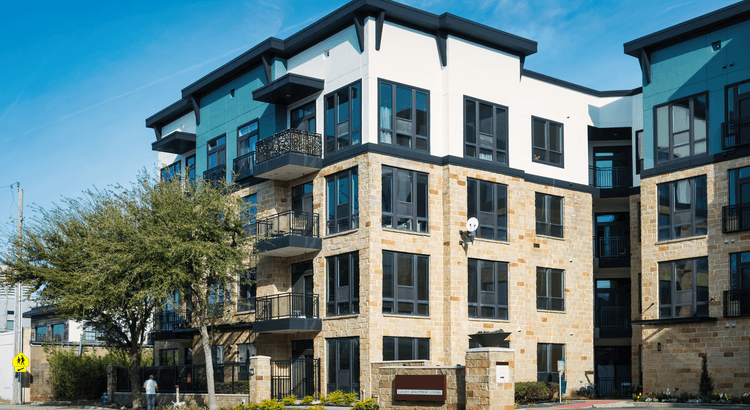
When you picture buying your first home, chances are you’re imagining a traditional single-family house with its own yard, maybe a garage, and little extra room to grow. But with affordability still tight, getting everything on that list right away may come with a higher price tag than you’re comfortable with right now. So, if you’re running the numbers and buying a house like that feels like a stretch, there may be another way in. A condo. Because in a lot of markets, condos come with a significantly lower price tag. And that could make them a smart way to get your foot in the door. Condos Can Cost Less Than You Think According to a recent study by Zillow: “Condos are the most commonly affordable home type in virtually every metro. At the starter level, the savings can be pretty significant. Nationally, starter condos average $197,468 — that’s about 6% less than the typical starter home.” And depending on where you live, the difference can be much bigger. Zillow identified metro areas where typical starter condos are priced significantly below the estimated home price a median-income household could afford. Here are the top 10 according to that research (see chart below). In Houston, the gap is at its widest. There, a typical starter condo was valued at about $85,600 – 72% below the price considered affordable based on the area’s median household income. Of course, every market is different. But the bigger point is this: if you’ve only been searching for traditional single-family houses, you may be overlooking some of the more affordable options on the market. And even if your city didn’t make this list, that’s okay. The trend holds true in many places across the country. Here’s why. A Condo Could Give You a Different Way In Part of the reason condos can cost less is pretty straightforward. They’re typically smaller. And less square footage can mean a lower purchase price. So, if you can make do with a bit less space or you’re coming from a smaller apartment now, this can be a great way in. Plus, on the upside, you won’t have to buy a ton of furniture to fill out a bigger house. You can get a potentially lower price up front and spend less once you move in because you’ll need less new stuff to fill that empty space. And more buyers are making that trade off on space to offset the current affordability challenges. Ali Wolf, Chief Economist for New Home Source, explains: “In addition to favoring smaller floor plans, more consumers are showing a willingness to live in an attached home. This shift is not driven by a preference for shared walls, but by a pursuit of value.” That’s really the heart of it. Looking at condos isn’t necessarily about wanting less. It’s about finding another way to make your move happen with the budget you have. Don’t Rule Out an Option That Could Work If you’ve been struggling to find a house you like at a price you can comfortably afford, talk to your agent about adding condos to your search. You may find something in a neighborhood you thought was outside your budget. You could get access to amenities you wouldn’t otherwise have. And you may be able to become a homeowner sooner rather than waiting for the numbers on a single-family house to work. While there are trade-offs like shared walls, less outdoor space, and an HOA fee to factor into your monthly budget, maybe that’s worth it if you finally get your own set of keys. Plus, a lot of the times, a condo community comes with great amenities like pools, gyms, and the condo association handles at least some of the maintenance. Which is closer to what you’re used to from your apartment – it could make the transition to homeowner not just more affordable, but that much easier too. Bottom Line The first home you buy doesn’t have to be a single-family house. If affordability has been holding you back, talk to a local agent about expanding your search and see whether a condo could fit the price point you’re looking for.
The Biggest Credit Hurdle for Renters Who Want To Buy

What’s the biggest payment you make every month? If you’re a renter, it’s probably your rent. But did you know that you can pay your rent on time, every time, for years, and it may never show up in your credit history? It’s pretty frustrating, especially if you’d like to buy a home someday and you’re trying to build your credit. The good thing is that’s changing right now. Here’s what you need to know and why it could open a door you thought was closed. The Problem for Would-Be Buyers You’re not the only one frustrated. According to Zillow, nearly a third of applicants (32.88%) get denied a mortgage due to insufficient credit history – not missed payments or too much debt. Just not enough credit history for a lender to say “yes.” It’s the most common hurdle would-be buyers have. As Zillow explains: “Nearly one-third of mortgage applicants are denied a loan because of insufficient credit history, making it the most common reason for a denial.” But there’s finally a way in now that how credit gets measured is changing. The Good News: Credit Is Getting Broader As Michael Sherman, General Manager and Senior VP at Zillow Rentals, explains: “Affordability is the headline in housing right now, and access to financing is a very important part of the story. Credit history is a barrier standing in the way of too many potential buyers. Rent reporting is a direct way to address that.” Here’s what Sherman is talking about. New credit models are emerging that take on-time rent and some utility payments into consideration to help renters get credit for the bills they already pay. VantageScore is one company with a new credit model that has been approved for use by the Federal Housing Finance Agency (FHFA). And that roll out could have a big impact on renters like you. A recent study by VantageScore found that nearly 4 million U.S. renters could finally become eligible for a mortgage if their on-time rent payments were counted as part of their credit history. Now, this isn’t a guarantee that it will suddenly count for every would-be buyer, but it does crack open the door. Here’s the catch though, you still have to walk through it. Counting Rental Payment History Is Not Automatic There are more options available to build credit, but you have to be proactive. Your rent won’t necessarily count unless you make sure it does. And the sooner you take credit for your payments, the better. Here’s how to get started based on a few tips from Experian, the Consumer Financial Protection Bureau (CFPB), and FICO: Ask your landlord or property manager if your rent is being reported. If it’s not, opt in. If your landlord doesn’t offer rent reporting, there are services available. Be sure to check fees and which bureaus they provide your data to. Check your credit reports for errors. Mistakes happen and fixing them is one of the quickest ways to strengthen your profile. The CFPB offers step-by-step instructions on how to fix errors on your report. Follow basic, important credit rules. Pay your bills on time, keep your card balances low, and don’t apply for a bunch of new credit at once. Don’t close any accounts – even if you have paid them off and don’t use them often. Diversify your profile by getting a secured credit card or becoming an authorized user on someone else’s account to help you build history beyond rent. These steps take a little time and effort, but it could be worth it if it starts building up your credit history. Just remember, not every lender uses the same scoring model and there are more changes on the horizon. So, the sooner you get credit for the work you do, the better. Even if you’re not sure when you might be ready to buy a home, talking to a lender is a good place to start. A professional loan officer will help you make a plan and help you figure out a timeline to get ready to officially apply and buy. Bottom Line The credit landscape is changing, but action is required on your part. You have to take credit for what you do. And the sooner you get started, the better. Ready to see where you stand? A quick conversation with a loan officer costs you nothing and could show you you’re closer to owning a home than you think.
Homes Are Still Selling – Even in a Slower Market

If you’ve seen headlines saying home sales are slowing down, you may be wondering: is this really a good time to sell? While the latest numbers show sales picked up slightly in September, they’re still down compared to last year. But here’s the perspective the headlines can miss. Homes are still selling every single day. Because no matter what’s happening with mortgage rates or the economy, life keeps happening too. People get new jobs. Families grow. Relationships change. People retire, downsize, or need to move closer to the people they love. And those life changes create buyers and sellers in every market. Just Look at the Math According to the National Association of Realtors (NAR), based on the current pace homeowners are expected to sell almost 4 million homes this year. Break that down, and that’s roughly: 11,000 homes every day. 450 homes every hour. 8 homes every minute. So, yes, the market may be moving at a slower pace than it has at other points in time. But slower doesn’t mean it’s stopped. As Hannah Jones, Senior Economic Research Analyst at Realtor.com, says: “Even in today’s high-price, high-rate market, homebuying activity around major life events, such as having kids, a job change, or a divorce, keeps the market in motion.” Thousands of buyers are still making moves every day. The key is making sure your house is positioned to get their attention. What That Means for Your Sale Today’s buyers have more choices, so they can afford to be more selective about things like price and condition. That makes having the right strategy from the start especially important. Because you don’t need every buyer to be looking for a home like yours. You just need the right one – and to know how to get in front of that buyer. Bottom Line Don’t let a headline about slowing home sales convince you no one is buying. Homes are still selling every minute of every day. If you need or want to move, talk to an agent about what it’ll take to make sure yours is one of them.
Why There are More Homes for Sale Right Now (and What It Means for You)

Mortgage rates being back above 7% isn’t exactly the news most people wanted. But it’s changing the market in ways that matter whether you’re buying or selling. The number of homes for sale is growing faster than it was this time last year. And interestingly, the main reason isn’t a flood of new listings. It’s because homes aren’t selling as quickly. Here’s why – and what that means if you’re thinking about buying or selling. Inventory Growth Is Picking Up Steam According to HousingWire Data, after inventory growth slowed down for most of the past year, it’s accelerated again in recent weeks. You can see that in the graph below. Just look at the blue line: And what’s behind this shift might surprise you. When rates rise, some buyers hit pause. That means fewer homes sell each week. And as those unsold homes stay on the market alongside new listings, the number available starts to grow (see the blue line in the graph below). Here’s another way to look at it to make it even more obvious. The graph below shows the relationship between rates and inventory. Again, this year is the blue line. Last year? That’s the green. With rates inching up this year, you can see inventory has grown by about 25k. But when rates went down this time last year, buyers jumped back in, and inventory actually dropped by about 9k. Logan Mohtashami, Lead Analyst at HousingWire, explains how that’s flipped from 2025 to 2026: “With mortgage rates over 7%, demand tends to soften and inventory rises . . .” Homes Are Spending More Time on the Market Here’s another metric that shows the impact rates are having: time on market. Data from Realtor.com shows the typical home spent 61 days on the market this September. Back in September 2021, it was just 41 days (see graph below): Here’s what that tells us. In 2021, when rates were low, more buyers were active, and homes sold fast. But now that rates are a bit higher, not as many buyers are interested, so it takes a bit longer to close a deal. How To Make This Market Work for You So, what does all of this mean for your plans? That depends on which side of the move you’re on: If you’re buying, more homes for sale means more choices and less pressure to rush. And more room to negotiate too. A house that’s been sitting for a while could have a seller who’s more willing to talk – not just about price, but repairs, closing costs, or even helping buy down your mortgage rate. That doesn’t mean every seller will play ball. But compared to the frenzy of a few years ago, buyers have more leverage now. If you’re selling, the right strategy can make all the difference. Buyers have more homes to choose from, so making yours stand out is especially important. That starts with pricing it right from day one, making a great first impression, and working with your agent to highlight what makes your house worth choosing. Buyers are still buying and homes are still selling. The key is making sure yours is positioned to attract the right buyer. The market hasn’t stopped. It’s just moving at a different pace. And whether you’re buying or selling, your strategy needs to move with it. Bottom Line In many places right now, inventory is growing and homes are taking a bit longer to sell. And that’s information that should shape the strategy you use going in. Whether you’re buying or selling, connect with a local real estate agent to look at how long homes are taking to sell in your neighborhood, so your offer, or your price, fits today’s market.
Why Most People Are Still Glad They Bought a Home

With everything going on, it’s understandable if you’re wondering if you’d regret buying right now. Everyday expenses cost more. Mortgage rates are higher than you’d like. And when the economy feels uncertain, taking on a mortgage can feel like a much bigger leap. But here’s some perspective that may help… Most people who already made that leap would do it again. According to a recent survey from NerdWallet, the vast majority of recent buyers (74%) were glad they bought their current home. Only a very small 3% of people regret it: And here’s a big reason why so many people feel it was worth it, even now. Homeownership Is a Long-Term Play When you’re deciding whether to buy, it’s easy to focus on what’s happening right now. What’s today’s mortgage rate? Are prices going up or down? Those things matter. But don’t get so caught up in buying in the perfect moment that you miss the bigger picture. A home isn’t typically something you buy for just a year or two. It’s a longer-term play. And when you zoom out, it all starts to fall into perspective – especially if you look at home prices and equity. According to data from the Federal Housing Finance Agency (FHFA), home prices nationally have risen 33.4% over just the past five years (see map below): And that appreciation has helped current homeowners build some serious wealth. Research from Bankrate shows homeowners gained an average of nearly $150,000 in wealth over the past five years as equity steadily rose across 90% of major metro areas. That’s one of the biggest benefits of homeownership. As you pay down your mortgage and your home appreciates over time, your ownership stake – your equity – can grow. Now, Zoom Out Even Further The five-year numbers are impressive. But the numbers get even more dramatic when you look at decades instead of individual market cycles. FHFA data shows home prices nationally have risen 336% since 1991. Sit with that for a second. Three hundred percent (see map below): That doesn’t mean prices go up every single year. And it doesn’t mean buying is automatically the right decision for everyone today. You should only buy when the numbers (and the payment) work for you. What it does show is why trying to perfectly time the market can make you miss the bigger picture. Over time, homeowners gain a lot of equity. And that equity can eventually become a powerful financial resource. As Freddie Mac explains: “Your home’s equity is part of your total wealth as a homeowner. If you decide to sell your home, the equity you have built over time will come back to you in the sale. . . If it’s time to upsize or downsize, you can use that cash for the down payment on your next home.” Basically, if you can afford to do it, buying a home now could set you up for future moves. And just in case you’re someone who’s worried about what happens if prices do fall, after you buy, remember: you’re not buying for one year. Prices can dip. They have before. But historically, they’ve risen far more over the long run. And the longer you own your home, the more time you have to ride out those ups and downs and keep building equity. Bottom Line Don’t let today’s uncertainty make you lose sight of what homeownership can do over time. Most homeowners say they’d make the same choice again. And decades of home-price growth help explain why. If you’re wondering whether buying makes sense for you right now, connect with an agent to look at the numbers together – and what owning a home could mean for you in the years ahead.
Renovate or Relocate? What To Know Before You Decide To Age in Place

You’ve spent years making your house feel like home, celebrating milestones, making each room your own, and turning neighbors into friends. As you look ahead to the next chapter of your life, it’s natural to wonder if this is still the place you want to spend it. Whether you’re leaning toward staying in your house as you get older or moving to a 55+ community, the goal is the same: a home that fits the life you want, with more time for the people and things you love. So, here’s what to consider before you decide. What It Can Take To Stay Put Wanting to stay in a house you love and are familiar with makes sense. But most houses need at least some updates to make aging in place easier. In fact, the Joint Center for Housing Studies of Harvard University (JCHS) finds that fewer than 4% of homes have the basics, like single-floor living, no-step entries, and wide hallways and doorways (see graph below): That means for most homeowners, staying put means doing a remodel. The National Association of Home Builders (NAHB) reports more than half of remodelers (56%) take on this kind of work. Some of the most common projects are installing grab bars, curb-less showers (walk-in showers with no ledge to step over), and wider doorways. Now, that’s not to say you can’t go this route. You most certainly can. But if this is how you’re leaning just know you’d be living with contractor noise and dust until the work gets done. Some people don’t want to live in a construction zone. Not to mention, having to manage the contractors and schedules, etc. Your Equity Could Pay for Your Next Move If that sounds like something you’d rather avoid, here’s the good news. The money for your next home may already be sitting in your current one. It’s called equity, which is the difference between what your house is worth and what you still owe on it. After years of mortgage payments and rising home values, it adds up. Jess Catorc, Co-Founder of Carry, explains: “The way home equity builds and is used changes a lot depending on your stage of life. . . . For older homeowners, decades of mortgage payments and home-value growth can turn equity into a financial cushion.“ When you sell, that cushion can go toward a home that’s ready for this stage of life. No demo required. You just get the keys and it’s all there, ready for you. That means less time on projects and more time for living. And one option you may consider if you’re entertaining a move is a 55+ plus community. Why 55+ Communities Are Worth a Look From the homes to the shared spaces to the activity calendar, these communities are planned around this stage of life. And that means everything you need is already rolled into one place. Rocket Mortgage lists some of the biggest perks (see visual below): Instead of spending time and money to make your house easier to live in, you’d move into a community that’s designed with that in mind from the jump. That frees you up for the good stuff, like a morning walk with a neighbor, a game night down the street, or finally trying the hobby you’ve been putting off. Bottom Line Staying and moving can both be good choices. What matters most is finding the place where you’ll feel comfortable and at home for years to come. A local real estate agent can help you weigh the two by showing you what your house could sell for and what 55+ communities in your area have to offer, so you can decide what feels right for you.
Myth vs. Reality: Does the Fed Control Mortgage Rates?

You’ve probably heard the Federal Reserve (the Fed) is raising rates again. And if you’re planning to buy or sell a house, you may be wondering what that means for you. With all the headlines, it’s easy to think the Fed sets mortgage rates. That’s actually a common myth. But the Fed’s decisions can still have an impact on them. So, where does that leave you? The next few months could get a little bumpy. But the Fed is playing the long game. And with the right plan, you can still make a move that works. Let’s break it down. Why the Fed Is Raising Rates It all comes back to inflation. With prices rising fast, everything is getting more expensive – and that leaves buyers with less spending power and makes homes cost more to build. So, the Fed raises its key short-term rate (the Federal Funds Rate) to slow down inflation. And that’s where a lot of people get tripped up. MYTH: The Fed controls mortgage rates. REALITY: The Fed has an impact on mortgage rates, but it’s only one piece of the puzzle. As NerdWallet explains: “The Federal Reserve influences mortgage rates, but doesn’t set them. . . Mortgage rates are influenced by many elements, including the inflation rate, the pace of job creation, and whether the economy is growing or shrinking. The Federal Reserve’s monetary policy is a factor, too . . .” Here’s the simplest way to explain how it all fits together. Mortgage rates tend to follow something called the 10-year treasury yield. That’s the return investors get for lending money to the government for 10 years. And that yield moves up and down based on what investors expect from inflation and the economy. Right now, one of the biggest things moving that yield is the conflict in Iran. It’s pushed oil prices higher, which has investors worried about inflation. That’s why any news about the conflict can move mortgage rates. If there’s resolution in Iran, that could take some pressure off inflation and mortgage rates. But the timing is hard to predict. What the Fed does can move that yield, too. When they hike the Federal Funds Rate to fight inflation, investors pay attention. That can push the 10-year yield up, and mortgage rates usually follow. But once inflation cools, the yield has room to come back down, and mortgage rates can, too. That gives buyers some of their purchasing power back (see graphic below): Think of it as a little pain today to set up some relief down the road. But how long could that short-term pain last? A lot depends on what the Fed does next. There’s a Strong Possibility the Fed Will Hike Again This Year According to CME FedWatch, there’s over an 80% chance the Fed hikes their federal funds rate at least once more before the end of 2026 (see graph below): Remember, the Fed doesn’t set mortgage rates. But another hike will likely keep upward pressure on them in the short term. So, should you wait it out? Sam Williamson, Senior Economist at First American, says this: “Over time, firmer Fed action could help steady the bond market and open the door to lower mortgage rates, but only if investors become more confident that inflation is coming under control.“ And there are some early signs that’s starting to happen. Inflation cooled faster than experts expected in August: PCE inflation dropped to 3.4%, down from 3.7% in July. Core PCE (the Fed’s preferred measure which leaves out food and energy prices) fell to 3%, down from 3.3%. That’s a step in the right direction, and it’s part of why the odds of a hike at the Fed’s October meeting have come down recently. But inflation’s still above the Fed’s 2% target, and it’s been that way for about 5 years. So, lower rates could still take a while. Your best bet is a plan that works at today’s rates. How To Make Your Move Work Right Now While this rate hike cycle isn’t the headline you want to see, it doesn’t mean you have to wait. There are still ways to move, even now. If you’re buying: Get pre-approved so you know your real budget. Ask your lender about your options to get the best rate possible. And once you’re under contract, lock your rate so a jump before closing doesn’t raise your payment. If you’re selling: Decide what matters most to you – a quick sale or top dollar. Each one can call for a different plan. Price for today’s buyers, whose budgets are smaller with higher rates. And think about offering a rate buydown or other concession. They can do more for a buyer’s budget than a price cut. Bottom Line The Fed doesn’t set mortgage rates, but its hikes can keep them higher for a while. The goal is to bring inflation, and eventually rates, down over time. With more hikes likely this year, waiting may not pay off. So, connect with a local real estate agent to map out a plan that works at today’s rates.
Two Moves That Can Get You Into Your First Home Sooner

For a lot of first-time buyers, owning a home can feel perpetually a few years out of reach. Saving for a down payment takes time, and each year you spend renting can make owning feel further off. But buying your first home doesn’t have to happen to feel like a far away goal. Two choices you control can bring your first home years closer, even with affordability as tight as it is right now. How Long Buying Really Takes First, one quick definition. “Breaking even” is the point where owning has cost you about the same as renting would have over the same period. And after that point, owning starts to cost less than renting. Kara Ng, Senior Economist at Zillow, puts it this way: “Buyers should think about not just when they can afford to buy, but how long they’d need to stay before owning makes more financial sense than renting.“ So how long does reaching that point usually take? And what are the shortcuts? Let’s do the math. According to Zillow, it usually takes about 8.5 years to save for a 20% down payment, then roughly 6.2 more years before owning costs the same as renting. Together, that’s just under 15 years. But that math relies on two assumptions: that you’re buying a mid-priced home, and that you’re putting 20% down. Change either one and your timeline gets shorter. Change both and it can shrink fast. It also varies widely by market, since local prices and rents are different depending on where you live. A Starter Home Can Get You There Twice as Fast A starter home usually means a home in the lower third of local prices. They’re often condos, townhomes, or single-family homes a little smaller or older than others in the area. Choosing one over a mid-priced home can cut your wait down by a lot. And while that might sound obvious, you may not realize just how much it shortens your timeline. Because if you’re buying a more affordable home, you don’t have to save up as much or as long. Zillow found that nationwide, a starter home takes half the time – about 7.2 years – to save for and come out ahead on, compared with renting (see graph below): That works out to about 4.6 years to save and 2.6 years to break even. It won’t erase every affordability challenge, but it can take years off the wait. And if you’ve already been saving for a while, it could get you closer to making it a reality. You Usually Don’t Need To Put 20% Down You, like many first-time homebuyers, might assume you need a 20% down payment to even consider buying. But a lot of the time, you don’t. Most first-time buyers don’t put down anywhere near that. The National Association of Realtors shows the median down payment for first-time buyers is 10% (see graph below): And the minimums go lower still. Some buyers put down as little as 3% on a conventional loan or 3.5% on an FHA loan, and eligible veterans or buyers in certain rural areas can put down nothing at all. There’s help with the upfront costs of buying, too. Down Payment Resource counts 2,746 assistance programs nationwide, and some are even stackable: “Some homebuyers can layer multiple sources of assistance to reduce their upfront costs. Layering means combining more than one eligible source of funding as part of your home purchase.” Put those together – a lower price point, a smaller down payment, and help covering it – and the years you thought you needed start to come down. Bottom Line Your first home may not be as far off as it feels. When the numbers make sense for you, buying a starter home and putting down less than 20% can get you there years sooner. Want to see which starter homes in your area could fit your budget? A local real estate agent can show you.
What Higher Mortgage Rates Mean for Home Sellers
Higher mortgage rates don’t just affect buyers. They can change what it takes to sell your house, too. That’s because today’s buyers are paying close attention to affordability. And when rates rise, even a relatively small change can make a noticeable difference in their monthly payment. So, they’re looking for ways to make the numbers work. And in some markets, new construction is giving them exactly that. If you’re planning to sell, that doesn’t mean you can’t compete. But it does mean you need to understand what builders are doing to win over buyers – and what options you have, too. Builders Are Competing on the Monthly Payment New construction has something interesting going for it right now. While existing-home sales (homes that have previously been lived in) continue to struggle under the weight of higher mortgage rates, new-home sales are holding up a bit better. In a recent interview, Logan Mohtashami, Chief Economist at HousingWire explains new-home sales are at an 8-month high and are now running around 2019 levels. On the flip side, existing home sales are lagging behind and fall about 1 million home sales short of 2019 levels. One big reason builders have been able to navigate higher rates differently is incentives. According to Realtor.com, nearly 1 in 5 (18.8%) newly built homes come with some kind of buyer incentive advertised up front: The most common may surprise you. As the graph shows, many builders are offering reduced rates, sometimes through something called a mortgage rate buydown. It’s essentially where they pay upfront costs to help buyers get a lower rate, and by extension, a lower monthly payment. It has obvious draws for buyers. For homebuilders, it helps them get their houses sold. So, a lot of builders see it as a win-win. That’s why reduced rates are a part of 13.8% of new home listings. In some cases, builders are offering rates below 6%, maybe even far below 6%. And that can help buyers shave hundreds off their monthly payment. That’s a big difference to a buyer who are feeling the pinch right now. So, How Can Sellers Like You Compete? First, don’t assume a mortgage rate buydown is something only a builder can offer. Sellers can contribute toward a buyer’s rate buydown too, depending on the loan and transaction. Does that mean you should offer one? Or that you have to if you want to compete? Not necessarily. A buydown is just one possible lever. Depending on your market and the buyer, it may make more sense to negotiate on price, contribute toward your buyer’s closing costs, make repairs, or make sure your house stands out in ways a new build can’t. That’s why working with an agent who knows your local competition matters. Joel Berner, Senior Economist at Realtor.com, says: “Sellers of existing homes are facing a lot of competition from the new-home space. . . so sellers should highlight the local amenities of their neighborhoods in contrast to the more suburban or exurban communities where many new homes are built.” A great agent will do this naturally anyways. Knowing what makes your house different and showcasing that in your listing can help your house stand out. And remember, being open to making a few compromises or throwing in some concessions can make a bigger difference for buyers than you may think. Today’s Market Rewards Sellers Who Adapt Builders have also been quicker to adjust their prices based on what buyers can actually afford and where demand is. That’s putting pressure on the resale market in some areas. Robert Dietz, Chief Economist at the National Association of Home Builders (NAHB), explains: “. . . existing homeowners now have to do the price discovery that builders have been doing since 2022.” That’s an important message if you’re hoping to sell. You don’t automatically need to slash your price or offer a big concession. But you do need to price and market your house based on what buyers can pay today – not what sellers could get a few years ago. And remember, this varies tremendously by location. New construction represents a much bigger share of the competition in some markets than others, and builder incentives aren’t equally common everywhere. So, lean on an agent to see how big of a factor builders are in your area. Bottom Line Higher mortgage rates are making buyers more cost-conscious. Builders know that, and many are responding with rate buydowns, closing-cost help, price reductions, and other incentives. If you’re thinking about selling, talk to an agent about what buyers are getting from other homes in your area – including new construction – so you can make sure your house is positioned to compete.
Hoping for (or Dreading) a Housing Crash? The Experts Just Weighed In.

Half the buyers out there are scared home prices are about to crash. The other half are hoping they will. A recent survey from Clever found 58% of Gen Z buyers are actually rooting for a crash, just so homeownership feels within reach. So, what do the forecasts actually say? Every quarter, Fannie Mae surveys more than 100 housing experts on where prices are headed. The newest results are in. And spoiler alert: they’re not calling for a crash – not even the pessimists. What the Newest Numbers Actually Say The panel’s latest forecast has prices climbing every single year through at least 2030. The panel’s average forecast is that prices will rise by 14.7% in the next 5 years. And here’s where it gets really interesting. If you split these experts into optimists and pessimists, even the pessimists still expect prices to increase about 6.6% by the end of 2030 (see graph below): The takeaway? If you’ve been waiting for prices to fall, you may be waiting a while. One thing to keep in mind though – these are national numbers. Prices in your area could run a little hotter or a little cooler than this, so it helps to know what’s happening locally, too. But the big picture is prices aren’t crashing. Historically prices usually rise. How This Quarter Compares to the Past Here’s something you probably don’t realize. This survey runs 4 times every year, so you can track the panel’s mood over time. A year ago, the panel expected home prices to grow 2.1% this year. Now they’re forecasting 2.5%. That means the near-term outlook actually got more optimistic. But that’s only part of the story. The years after that shifted, too (see graph below): Zoom out to 2027 through 2029 and the mood has cooled a bit. Each of those years is now expected to see a little less growth than the panel thought a year ago. That’s likely a reflection of where we are right now with everything that’s impacting the housing market. But again, the overall takeaway here is every bar shows an increase in prices – the size of that increase has just moderated due to some of the factors at play. A slower climb isn’t a bad thing, though. It’s a sign the market is settling into a more normal pace after a few wild years. A little more growth here, a little less growth there. What hasn’t budged once is the idea that home prices will keep growing. What It Means for Your Next Move Now, percentages are great, but you probably care more about the actual dollars and cents of your move, so let’s graph that out, too. Run the numbers on a $400,000 home bought in January, and the panel’s latest forecast puts you up about $58,000 in equity in 5 years just from price growth (see graph below): That’s real wealth you could be building while others sit on the sidelines, waiting for a crash the experts don’t see coming. And with prices expected to keep rising, waiting could mean paying more for the same home later. Bottom Line Whether you’re bracing for a crash or hoping for one, the verdict is the same – prices are still expected to rise, not fall. Talk with a local real estate agent about what that means for your market and your plans.